Real Paint, Small Budget: A First-Timer’s Guide to Collecting Original Art in the UK in 2026
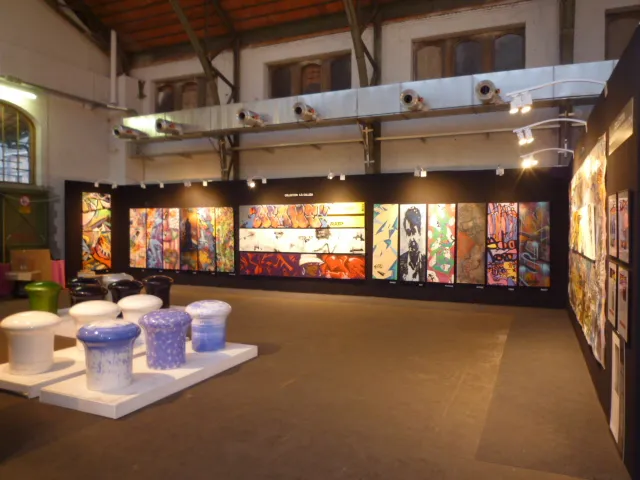
Photo: Laina griffait, CC BY-SA 3.0, via Wikimedia Commons
Original art does not have to mean auction houses, white gloves and a budget that makes you wince. Some of the most interesting work in the UK is sold by artists directly, at open studios, degree shows and smaller fairs, often for less than the price of a decent coat. If you are buying your first piece in the run-up to Christmas 2026, a £500 limit can go a long way — as long as you remember that the artwork is only part of the cost.
Start with a budget that includes the boring bits
It is easy to fall for a painting and forget that it may need framing, transport or a proper mount. A sensible first-collector budget looks like this: around £250 to £350 for the artwork, £60 to £150 for framing if needed, £20 to £40 for travel or shipping, and a small reserve for conservation supplies such as backing board, hanging hardware or a UV-filtering sleeve for a print.
That does not mean every piece needs a bespoke frame on day one. A stretched canvas can often go straight on the wall. A work on paper needs more care. Ask the artist what they recommend before you buy, and do not assume the price includes framing unless it clearly says so.
Look beyond London
London has brilliant art, but it also has the highest rents and the most polished sales rooms. For a first original under £500, the regions are often friendlier. Bristol, Leeds, Manchester, Glasgow, Cardiff, Norwich, Sheffield, Newcastle and Birmingham all have active artist-led scenes, studio groups and smaller venues where prices have not been pushed up by international buyers.
Look for winter open studios, degree shows, church-hall art fairs, artist-run spaces and local print fairs. The work is often displayed less theatrically than in a gallery, which is exactly why it can be affordable. You are buying from the person who made it, or from someone who knows them well enough to answer a question about the materials.
What to ask an emerging artist
A good conversation is part of the value. Ask what the work is made from: oil, acrylic, watercolour, gouache, pastel, collage, print or something else. Ask what it is made on: canvas, linen, panel, paper, board. Ask whether it is framed, unframed or mounted, and whether it is ready to hang.
Then ask the practical questions. Is this an original or a reproduction? Is it part of an edition? How should it be cleaned? Has it been varnished? Are there any condition issues? Can they send a detail photograph in daylight? Do they offer a returns policy? Is collection possible, or will it need shipping?
None of these questions are rude. They are the same questions a gallery would ask. If an artist cannot answer them, that is useful information too.
Framing and conservation without panic
Framing is where first-time buyers overspend. A simple, well-made frame is usually better than an ornate one that fights the work. For works on paper, a conservation-grade mount keeps the artwork away from the glass and helps it breathe. Avoid dry mounting or trimming the paper. Ask for UV-filtering glazing if the piece will hang near a window, but do not panic if it will live in a dim hallway.
Keep original art off radiators, out of direct sunlight and away from damp walls. Bathrooms and kitchens are usually bad homes for works on paper. If you are storing a piece before Christmas, keep it flat, dry and away from the Christmas tree lights and the cat.
Spotting value at winter open studios
Value is not the same as cheap. A £90 painting that is warped, foxed and badly stored is not a bargain. A £420 painting with a clear material list, a stable support and a bit of presence is often the better buy.
Look for consistency. Does the artist have a body of work that makes sense together, even if you only like one piece? Are the labels clear? Is there a price list? Can you see sketchbooks or studies that show how the work developed? Is the artist present and willing to talk? Good lighting and tidy storage are not proof of quality, but they suggest care.
Be wary of rippled paper, strong smells, flaking paint, rust marks, mould and frames that are falling apart. Some of these can be fixed; some cannot. If you are new to collecting, buy the piece you want to live with, not the one you think will go up in value.
A simple pre-Christmas checklist
Measure the wall before you go shopping. Take a photo of the space and note the light. Ask about lead times for framing and shipping, especially in December. Confirm whether the price includes VAT if you are buying through a gallery. Keep the receipt, any care instructions and the artist’s contact details.
And leave room in the budget for the thing you did not plan for: the small work on paper that catches your eye while you are queuing for mulled wine. In 2026, with £500 and a bit of patience, a first original collection is more achievable than many UK buyers think.