Sold Before You Decided: A Collector’s Guide to the Painting That Went Home Without You
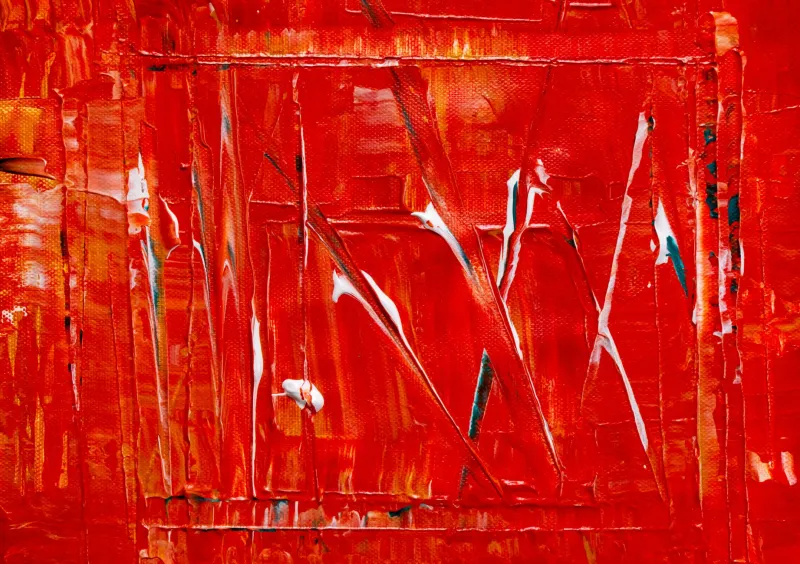
There is a particular sort of silence that follows the words, ‘Oh, that one sold on Tuesday.’ It is not quite grief, not quite embarrassment, but it has a flavour all its own. You had already imagined it above the sofa. You had worked out whether it would clash with the lampshade. You had, in your head, bought it. Then a small red sticker — or a polite email from the gallery — tells you someone else got there first.
If that has just happened to you, take a breath. It is a genuinely common collecting moment, and it does not mean you have failed at art. It means you saw something good before you had decided how much you wanted it. That is a useful thing to learn about yourself.
First, Let the Sting Pass
A near-miss on a painting can feel oddly personal. You may find yourself wondering who bought it, whether they deserve it, and whether you could somehow ring the gallery and explain that you had loved it first. Resist all three impulses. The person who bought it is not your rival; they are simply another collector who acted a day sooner. The gallery is not being cruel; it is doing its job. And ‘I loved it first’ is not a transaction.
Give yourself an evening to be disappointed. Then put the kettle on and look at the situation practically. The painting has gone to a good home, presumably. Your wall is still standing. The art world has not run out of paintings.
Gallery and Studio Etiquette: What Not to Do
When you discover a piece has sold, the temptation is to ask for special treatment. Please do not ask the gallery to contact the buyer on your behalf, and please do not ask the artist to paint an exact copy. Both requests put people in an awkward position. An artist may be happy to discuss a related work, but a direct replica of a sold piece is rarely the point of collecting original art.
If you are at a private view or an open studio weekend, keep it light. A simple, ‘I had my eye on that one — is there anything similar in the studio, or a waiting list I could join?’ is perfectly acceptable. Galleries and artists are used to this. What they remember is not that you missed out, but how you behaved when you did.
The Sensible Ask: Waiting Lists, Studies and Sibling Works
Once the initial disappointment has settled, it is worth asking a few calm questions. Many artists work in series, so there may be a smaller study, a preparatory sketch, or a related painting that explores the same idea. These are not consolation prizes. They are often the more interesting bits of the process, and they tend to be more affordable.
You can also ask whether the artist keeps a waiting list for similar works. Some do; some do not. If they do, be clear about what you liked: the size, the palette, the subject, the mood. ‘Something like the grey harbour piece’ is more useful than ‘anything, really.’ If a commission is possible, treat it as a conversation, not an order form. The aim is a painting that belongs in the same family, not a photocopy.
What a Near-Miss Tells You About Your Taste
A missed painting is free information. It tells you that you respond to a certain scale, colour or subject more strongly than you might have admitted. It also reveals your decision-making style. Did you hesitate because of budget? Because you wanted to measure the wall? Because you were waiting for a second opinion from someone who was never going to give one?
Next time, you can prepare better. Take a photograph if the gallery or studio allows it. Ask for the price list early. Measure the gap above the sofa before you go out. Set yourself a simple rule: if a painting stays in your head for two days and the budget is genuinely there, make contact. In 2026, with more collectors buying original work online and at studio events, the good pieces do not always wait for the weekend.
Keep the Relationship, Not Just the Regret
One of the underrated skills in collecting is staying in touch without being pushy. If you loved an artist’s work but missed a particular piece, sign up to their newsletter. Follow the gallery. Go to the next show. The relationship is often more valuable than any single painting, because it puts you in the room earlier next time.
You might also ask the gallery whether they expect similar work from the artist in future. A good gallery will tell you honestly. It may even keep a note of your interest. That is not a guarantee, but it is a civilised way of staying in the loop.
The Next Painting Is Not a Consolation Prize
When the next piece comes along, try not to judge it against the one that got away. That is unfair to both paintings. The sold piece has the advantage of being imagined, perfect and permanently unavailable. The new piece has to be real. Give it a chance on its own terms.
And if you never see anything quite like it again, that is allowed. Some paintings are meant to pass through your life as a near-miss. They sharpen your eye, clarify your budget and teach you to act a little sooner. That is not a bad return on a red dot.
Here at Robert Mee Artist, we like to think of collecting as a long conversation rather than a single transaction. Missing one painting is not the end of the conversation. It is just a pause before the next good thing.