Deposit-Proof Walls: How Renters Can Live With Original Paintings
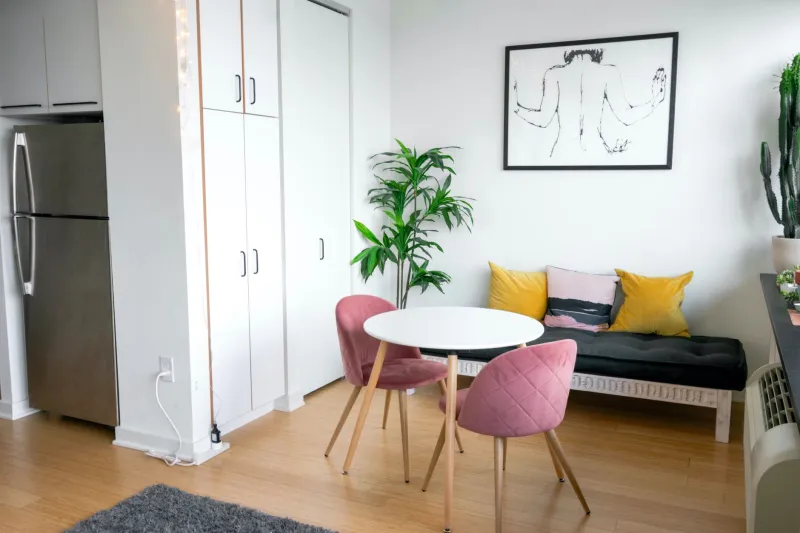
There's a particular look that comes over a rented flat about six months in. The landlord's magnolia is still magnolia, the sofa is still where you found it, and the walls are still completely bare because you're terrified of losing a deposit that took you three years to save. I understand it. I've also seen what happens when a collector finally cracks and hangs a painting with a six-inch nail and a prayer.
So let's find the middle ground. You can live with real art in a rented home. You just need a plan that survives both the tenancy inspection and the move-out date.
Start With the Conversation, Not the Drill
Before anything goes on a wall, send your landlord or letting agent a short, friendly email. Something like: "I'd like to hang two or three framed paintings in the living room using adhesive strips or existing picture rails. No new holes unless you're happy with them, and I'll make good any damage before I leave."
Most landlords say yes. A surprising number say yes enthusiastically, because a tenant who cares about the walls is usually a tenant who cares about the flat. What you want is written permission, even if it's a single line in an email chain. Keep it saved. If you're dealing with a letting agent, ask them to confirm the position on picture hooks and adhesive strips in writing, and ask whether there's an existing tin of wall paint anywhere in the building. That last question has saved me more deposit stress than any hanging technique.
Also photograph every wall on the day you move in. Wide shots, close-ups of existing marks, the lot. It takes ten minutes and it settles arguments later.
Know What Your Wall Is Actually Made Of
British flats are a patchwork of building methods, and the wall in your hallway may not be the same as the wall in your bedroom. Three types matter.
Plasterboard on timber studs is the modern default. It's hollow-sounding and doesn't like weight. Small, light pieces are fine with adhesive strips. Anything heavier needs a fixing that finds the timber behind the board, and that means a stud finder, not guesswork.
Lath and plaster is the Victorian and Edwardian classic, and it's the one to treat with respect. It's crumbly, it cracks in sheets, and a heavy hook can pull a fist-sized hole out of it. If your flat has it, lean towards freestanding or rail-based solutions.
Solid brick or masonry is the kindest wall you can meet. It holds a proper fixing, but it also means drilling, which means dust, which means a conversation with your landlord first.
A magnet run slowly across the wall will find the screws holding plasterboard to studs. A cheap stud finder does the same job with less swearing. Either way, spend five minutes learning what you're dealing with before you spend money on fixings.
The Damage-Free Toolkit
Picture rails are the renter's best friend. Many older UK flats still have them, and a pair of brass hooks and a length of cord will hang a decent-sized painting with no new holes at all. If the rail is missing but the moulding is there, you can often use a rail hook that grips the lip without drilling. Check before you buy.
Adhesive strips have improved enormously. The good ones are rated by weight, and the rating is per strip, not per pack. Read it properly. A small canvas in a light frame is well within range. A glazed A2 print in an oak frame is not, no matter how many strips you stick on. Clean the wall, let it dry, press firmly for the full recommended time, and don't hang anything above a bed or a sofa where a failure would be more than annoying.
Leaning works better than people admit. A painting on a picture shelf, propped on a sideboard, or resting on a mantel can look deliberate and relaxed. It also moves house in about four seconds.
Freestanding screens, easels and slim shelving units give you hanging space without touching the wall at all. In a small flat they double as room dividers, which is the sort of practical thinking that keeps a collection growing when space doesn't.
Weight Limits Are Not Suggestion
As a rough guide, adhesive strips are for pieces up to a few kilos total, frame included. Plasterboard fixings on their own will hold a modest framed piece if installed correctly. Anything larger, heavier or glazed should either go on a stud, into masonry, or onto a picture rail rated for the job. If you're unsure, go lighter. A painting that falls is a painting that needs restoring, and a wall that needs repairing, and a deposit that needs negotiating.
Plan a Collection That Can Travel
Renters move. It's the one certainty. So collect with the next flat in mind. Consistent frame sizes make it easy to rehang a wall in a new room. Canvas without glass travels better than glazed work, and it's lighter on the wall. D-rings and cord are easier to adjust than fixed hanging brackets. Keep the original boxes for anything fragile, and keep a small box of picture hooks, strips and touch-up paint with your toolkit. Future you will be grateful.
It also helps to keep a simple list: title, artist, size, what you paid, and where it's hanging. If you ever need to claim on contents insurance, that list is worth more than the painting's frame. Check your policy covers art away from home and in rented accommodation, and tell your insurer about anything valuable rather than assuming it's included.
The Long Game
A rented flat is not a waiting room. It's a place where a collection can start, and some of the best walls I've seen have been in places the tenant didn't own. Hang light, hang thoughtfully, ask first, and keep the receipts. Your deposit will survive, and so will the paintings.
If you're not sure what will suit the space, that's the conversation worth having before you buy. Bring measurements, bring photographs of the wall, and bring a rough idea of the light. The right painting in a rented flat is not a compromise. It's a very good beginning.