What the Label Says: Why a Clear Price List Is Part of the Art on Show

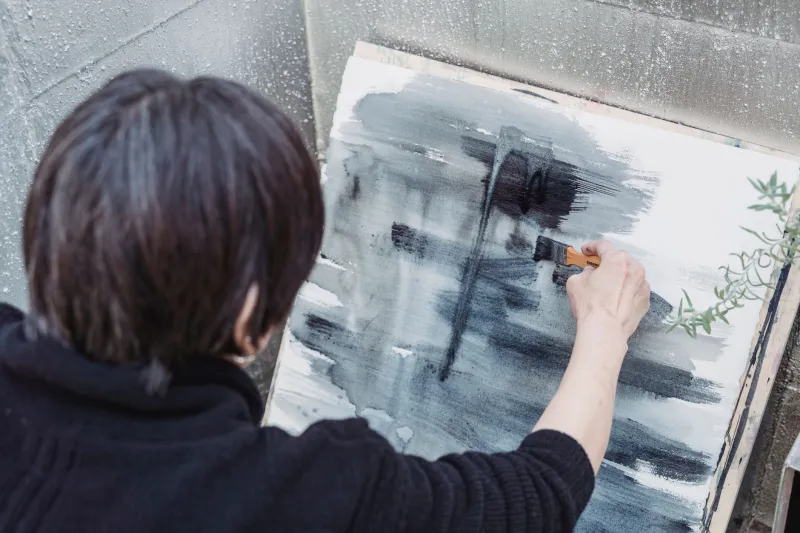
Photo by Photo by Declan Sun on Unsplash on Unsplash
Walk into an open studio in Sheffield, a church hall fair in Suffolk or a rented pop-up in east London and you will usually see the same thing: good work on the walls, a mug of tea, and a price list tucked under a sketchbook. Sometimes it is handwritten. Sometimes it is a QR code that leads to a page last updated in 2023. Sometimes there is no list at all, only a hopeful silence when you ask how much.
That silence is part of the exhibition, whether the artist intended it or not. A price list is not admin. It is presentation. It tells a collector how to look, what to ask and whether they belong in the room. Clear pricing is not crass. It is hospitable.
The quiet message of price on application
Price on application has its place. For a major commissioned piece, a secondary-market work or a sale where privacy genuinely matters, it can be the right call. But at an open studio, a village hall or a weekend art fair, POA often does something less useful. It moves the awkwardness from the label to the conversation. The collector has to ask. The artist has to decide whether to say a number out loud. Everyone pretends this is normal.
For a first-time buyer, POA can read as code for too expensive for you. For a seasoned collector, it can read as negotiable, which is not always what the artist wants either. Neither reading helps the work. If the price is clear, the collector can decide on the painting rather than on the social temperature of the room.
What collectors actually read
Most collectors are not scanning for a bargain. They are trying to place the work. They want to know the medium, the size, whether it is framed, whether it is an edition, and what the price includes. A label that says oil on linen, 40 x 50 cm, framed, £850 does more for trust than a beautiful hand-painted sign with no numbers on it. It answers the questions people are too polite to ask twice.
Online, the same rules apply. A shop page that hides prices behind an enquiry form is asking for a leap of faith before the collector has even seen the thing in the flesh. A clear price, a delivery note and a line about returns is less romantic, but it is far easier to buy from. In the UK, where buyers are already wary of postage costs and brittle packaging, clarity is a form of care.
The artist's side of the drawer
Artists have real reasons for keeping prices quiet. They worry about being compared, underselling themselves or being locked into a number that no longer makes sense next year. They worry that a public price invites haggling. Some worry that a high price will scare off friends, and a low one will insult the work. All of that is understandable. But secrecy does not protect value. Consistency does.
A price list is not a promise to never change your prices. It is a snapshot of your current thinking. Set a method, whether by size, medium, complexity or a blend of all three, and apply it across the studio, the fair and the website. Review it once a year. If you offer payment plans, say so on the list. If a piece is sold, mark it sold rather than removing it, because sold work tells a story about demand. If you are VAT registered, say whether prices include VAT. None of this is glamorous. It is just the plumbing of a professional practice.
Making the list do some work
A good price list can be one side of A4. Title, year, medium, dimensions, framed or unframed, price. Add a short note on delivery if you sell online. Keep the same prices in every room. If you have a gallery price and a studio price, be upfront about why, because collectors talk to each other. Avoid from prices unless you are selling editions or commissions, where a range is genuinely useful. And if you must use POA, use it for the handful of works that need it, not as a default setting for the whole show.
The collector's part is simple too. Ask if something is unclear. Do not treat an open studio as a car boot sale. If the price is beyond you, say so politely and move on; there is no shame in it. If you see the same painting at two different prices in two different places, ask why. A good artist will have an answer.
An exhibition is a whole experience: the hanging, the lighting, the tea, the conversation. The price list is part of that experience. Make it clear, keep it current and treat it as part of the show. Collectors notice.