Your Name in Pencil: Navigating an Artist’s Waiting List Without Being a Pest
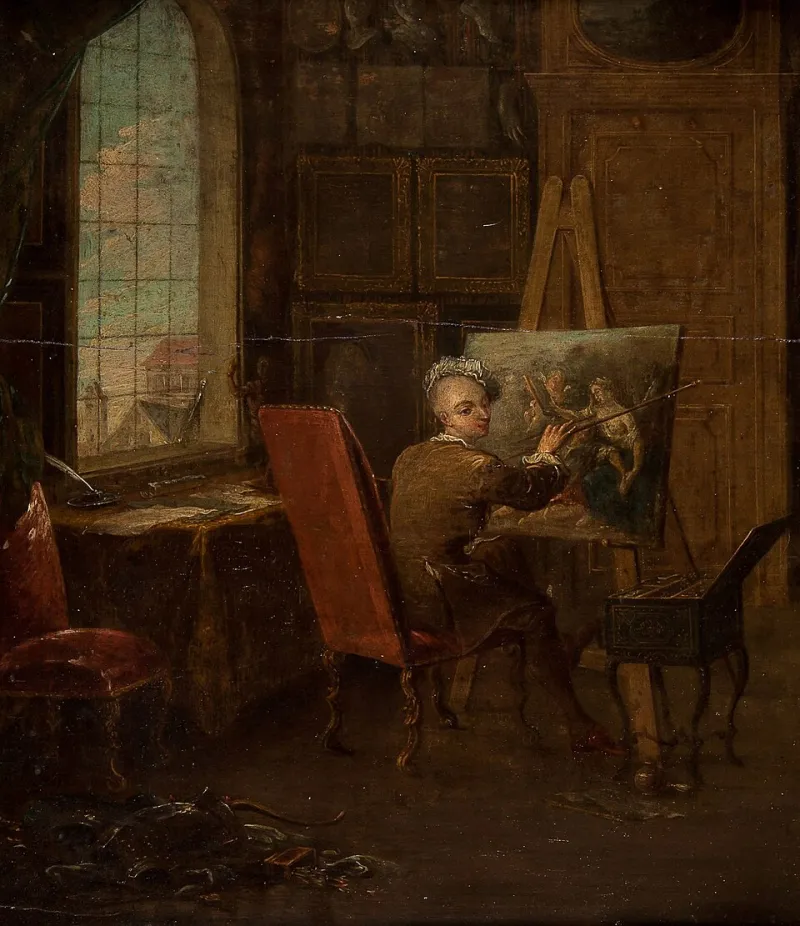
Photo: François Eisen, Public domain, via Wikimedia Commons
You’ve done the sensible thing. You saw a painting, loved it, and asked if there might be more like it. The reply came back warm but vague: ‘I’ll let you know when the next one is ready.’ And now you’re wondering whether you’ve joined a queue, been fobbed off, or accidentally signed up to a cult.
Here’s the studio-floor truth: a waiting list is rarely a queue. It’s more like a pencilled note in the margin of an artist’s brain — a reminder that someone out there is interested. What it isn’t is a ticket with a number on it. If you’re expecting first-come-first-served, you’re going to be disappointed. If you’re expecting a human process, you’ll be fine.
Why a Waiting List Isn’t a Queue
Artists don’t make paintings to a production schedule. A piece might take three weeks or three months. It might be part of a series that needs to hang together before anything leaves the studio. It might be waiting on a frame, a drying time, or a decision about whether it’s actually finished. And sometimes — whisper it — the artist needs to live with it for a bit before deciding it’s good enough to sell.
Add in exhibitions, commissions, teaching, and the occasional week where nothing works, and you can see why a list can’t be run like a deli counter. The person who asked first isn’t necessarily the person who gets the painting. The person who fits the work, or the timing, or the budget, often is. That’s not fair in a ticketing sense. It’s just how a studio works.
What ‘I’ll Let You Know’ Actually Means
It can mean several things, depending on tone and context. Usually it means: ‘I’ve registered your interest, and I’ll come back to you when I have something that might suit.’ Sometimes it means: ‘I have no idea when that will be, but I didn’t want to leave you hanging.’ Occasionally it means: ‘I’m not sure you’re serious, but let’s see.’
What it almost never means is: ‘You are next in line and I have written your name in blood.’ Artists are not being coy. They’re being honest about uncertainty. The next painting might be a 30cm study or a 120cm canvas. It might be £300 or £3,000. Until it exists, nobody knows who it’s for.
The Etiquette of Expressing Interest
The best way to join a waiting list is to be specific without being demanding. One email is plenty. Say what you liked, what size you’re thinking of, and what your budget is. If you have a wall in mind, mention its dimensions. If you’re flexible, say so. If you’re not, say that too. Artists appreciate clarity because it saves everyone a round of guesswork.
Then stop. British reserve is your friend here. A gentle nudge after six or eight weeks is fine if you haven’t heard anything. Chasing weekly is not. Neither is asking ‘Am I first?’ — it puts the artist in an awkward spot, and the honest answer is usually ‘I don’t know yet.’ Better questions: ‘Is there anything you need from me?’ or ‘Would it help if I sent a photo of the wall?’
Use email rather than Instagram DMs unless the artist has invited DMs. Social media is where work gets seen; email is where business gets done. And if you’re going to follow up, reply to the original thread so the artist doesn’t have to search for your name in three different inboxes.
Deposits, Studio Visits and the Awkward Bits
Some artists take deposits for commissions or reserved work. Many don’t take a penny until the painting exists. If you’re asked for a deposit, ask what it covers and what happens if you change your mind. Get it in writing — even a two-line email is fine. In the UK, a deposit is generally non-refundable unless the terms say otherwise, so don’t hand over money you might need back.
Studio visits are lovely, but they’re invitations, not drop-ins. If you’re asked to come and see the work in progress, go. Don’t touch anything that looks wet. Ask before taking photos. And don’t bring a crowd unless the artist has said it’s okay. If you can’t visit, ask for a short video or a couple of detail shots. Most artists would rather send a clip than have you buy blind and return it.
How to Be a Good Waiting-List Citizen
When the offer comes, respond promptly. If you’ve changed your mind, say so kindly. Artists would much rather hear ‘I’m so sorry, my budget has changed’ than be left waiting while you decide. If you’re offered a painting that isn’t quite right, it’s fine to pass — but be clear. ‘Not for me this time’ is better than silence.
Don’t haggle on a waiting list. The price is the price. If it’s out of your range, say so and ask whether there’s a smaller piece or a print coming. Many artists offer studies or works on paper at lower prices. That’s not a consolation prize; it’s a different way into a collection.
When to Walk Away
If months pass and you’ve had no communication at all, a polite check-in is reasonable. If that goes unanswered too, you’re allowed to move on. A waiting list is a relationship, not a contract. Artists get busy, inboxes overflow, and sometimes a project stalls. But you don’t owe anyone endless patience.
The flip side is also true: if an artist does keep you posted, even just to say ‘nothing yet, still thinking of you’, that’s a good sign. It means you’re on the list in the way that matters — as a person, not a number.
So the next time you get ‘I’ll let you know’, treat it as an open door, not a closed one. Keep the email friendly, the follow-up rare, and the budget honest. You’ll be first in line for exactly the right painting — even if the line isn’t really a line at all.