A Calendar, Not a Crystal Ball: Commissioning a Painting This November

November has a way of making people optimistic about calendars. The tree is not up yet, the list is manageable, and there is still — technically — time. This is the week when commission enquiries tend to arrive, usually with a version of the same sentence: “Could it be ready for Christmas?”
Sometimes the answer is yes. Often, especially with oil paint, it is a polite no. That is not a problem if it is discussed early. It becomes a problem when nobody says it out loud until the middle of December.
So here is the honest collector’s guide to commissioning a painting in late 2026: what to agree before the deposit leaves your account, how to keep revisions sane, and why a January painting can be a better present than a rushed December one.
Start with the calendar, not the wrapping paper
A commission is not just painting time. It is also drying time, varnishing time, framing time, delivery time and — importantly — thinking time. Oil paintings can stay touch-dry for days but remain soft underneath for weeks or months, depending on thickness and medium. Acrylics dry faster, but they still need care, and a frame rarely arrives overnight in December.
Ask the artist for a realistic completion window, not a hopeful one. Then ask what could push it back. A good answer will mention drying, framing, studio time or courier pressure. A vague answer is not necessarily a red flag, but it is a reason to get the dates in writing.
If you need the painting under the tree, say so immediately. If the artist says that is unlikely, believe them. Do not ask them to speed up drying with heat, extra varnish or a hairdryer. Wet paint does not respond to festive urgency, and a ruined surface is a much worse gift than a delayed one.
The deposit: what you are actually paying for
A deposit is not just a nice gesture. It books studio time and covers materials, and it protects the artist from a diary full of maybes. In the UK, deposits vary widely — sometimes a fixed sum, sometimes a percentage — so ask what yours covers and whether any part is refundable.
Get the payment schedule in writing. A common arrangement is a deposit to start, then the balance on approval or before delivery. Paying the full amount upfront is not automatically wrong, but do it only if you are comfortable with the cancellation terms. Keep the invoice and the email trail. If the commission is cancelled, agree in advance what happens to sketches, studies, materials and the deposit.
A deposit is not a hostage and it is not a tip. It is a booking. Treat it like one.
Put it in writing, even if it is one page
You do not need a legal team. You do need an email or a one-page agreement that both of you can find again. It should cover the basics: subject, size, medium, support, palette, reference material, price, deposit, balance due date, delivery or collection, revision rounds, cancellation terms and who insures the work in transit.
It is also worth discussing copyright. Unless it is assigned in writing, the artist usually retains copyright in the work. That does not stop you owning and displaying the painting, but it does affect reproduction. If you want to make prints or use the image commercially, ask before the commission starts.
This is not about distrust. It is about removing the awkward conversation from December, when everyone is tired and the post office queue is out of the door.
Reference images: be specific, not strangling
“Make it nice” is not a brief. “Something for the hallway” is a start, but it is not much more than that. Send photographs of the room, the wall, the light at different times of day and any existing art nearby. Mention the wall colour, the ceiling height and whether the painting will sit above a radiator or opposite a window.
For portraits or pet commissions, send clear, sharp photographs from several angles. Avoid filters, heavy shadows and screenshots of screenshots. If there is a particular expression or marking that matters, say so. Then let the artist interpret. A commission is not a paint-by-numbers kit, and a good artist will tell you which references are useful and which are fighting each other.
Agree which references are final before the deposit is paid. Changing the main photograph three weeks in is not a revision; it is a new commission wearing the old one’s coat.
Revision limits and the “one more tweak” trap
Revisions are where friendly commissions can quietly go wrong. Agree how many rounds are included and at what stage. Many artists will show a sketch or colour study first, then a mid-stage photograph, then the final. That is plenty of chances to steer without micromanaging.
Ask what counts as a minor revision — a colour adjustment, a small shape change — and what counts as a major one, such as a different composition or a new background. Major changes after approval usually cost more and add time. That is fair enough, as long as it is clear from the start.
Try not to visit the studio every few days or request daily photographs. The goal is a painting, not a committee meeting. Trust the process, but keep the approval points you agreed.
Deadlines: plan for drying, framing and delivery
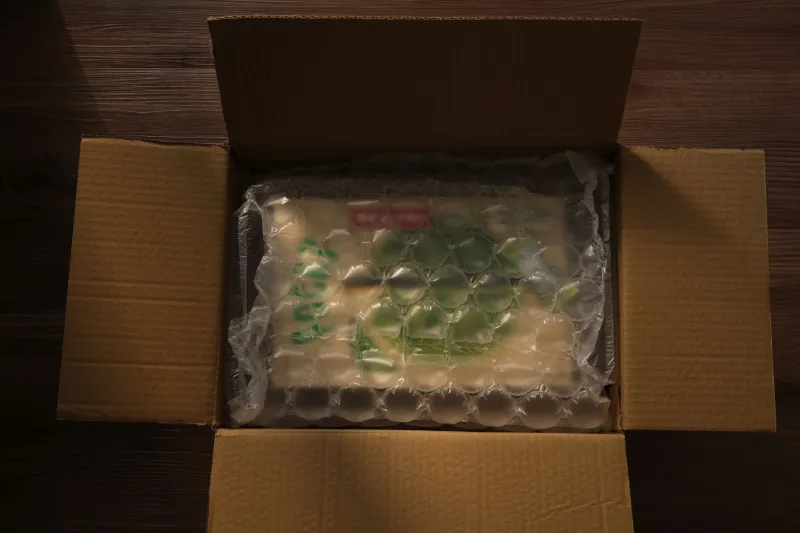
If the painting is a gift, agree the handover date in writing. “Ready to hang by 18 December” is clearer than “before Christmas.” If the artist cannot promise that, consider collection from the studio or a gift card instead.
A commission gift card does not have to be a lame envelope. It can be a handwritten card with the agreed brief, a small sketch, a colour study or a certificate that explains what is being made. The painting then arrives when it is actually ready, which is a better surprise than a damaged corner or a sticky surface.
And remember the frame. December is not the month to discover that your framer closes on the 20th. If the painting needs framing, build that into the timeline or agree that it will be collected unframed.
The checklist before the deposit leaves your account
- A written description of the work, including size, medium and support.
- The total price, including framing, delivery and any VAT if applicable.
- Deposit amount, refund terms and balance due date.
- Revision rounds and approval stages.
- Realistic completion and delivery dates, with a buffer.
- Who insures the work in transit.
- Copyright and reproduction terms.
- What happens if either side needs to cancel.
As of 9 November 2026, there is still time to commission a painting well. There is just not necessarily time to commission one fast. If you want a painting under the tree this year, the honest answer may be to choose an available work or agree a new-year delivery. If you want a commission that feels right, give it a calendar rather than a crystal ball. A painting that arrives in February is not late if that is what you agreed in November.