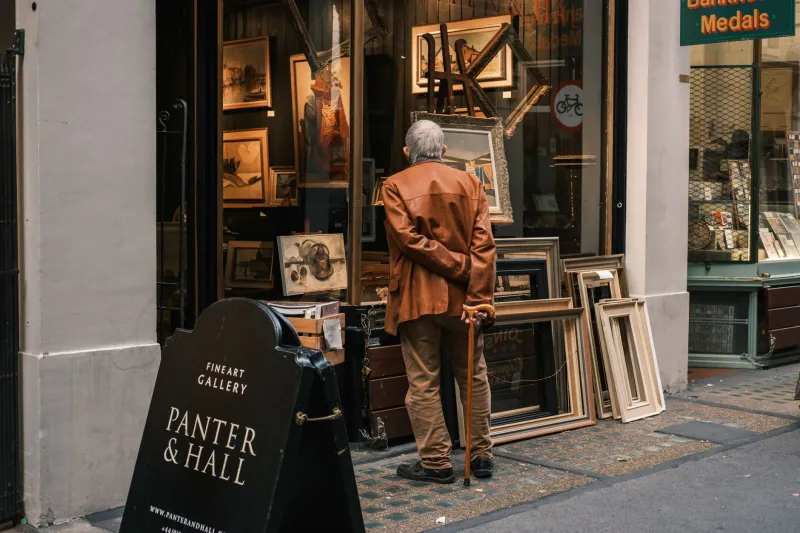
When the Contents Policy Says No: Insuring Art That Has Outgrown the House
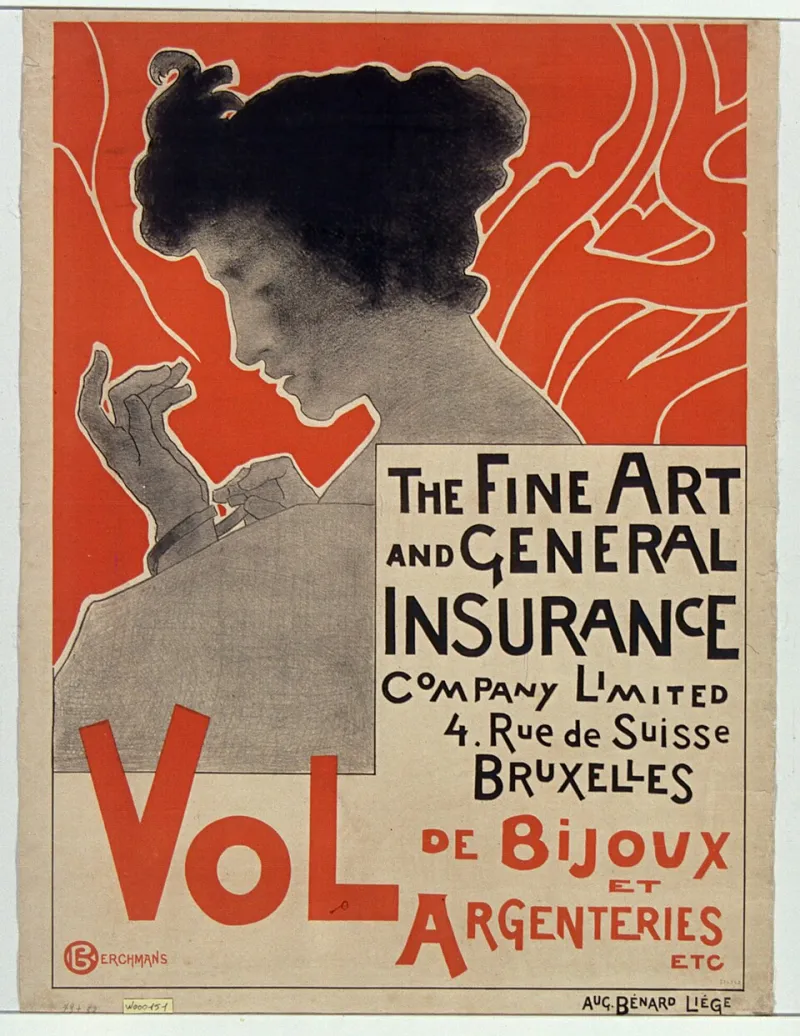
Photo: Berchmans, Émile (1867-1947). Illustrateur, Public domain, via Wikimedia Commons
Most of us insure a home by buying a policy and hoping we never need to read it. That works fine until the day you stand in your front room and realise the walls are worth more than the sofa, the telly and the contents of the loft combined. At that point, a standard home contents policy can start to feel less like a safety net and more like a politely worded shrug.
This is not a scare story. It is a nudge to look at the small print before your collection grows into a liability. In the UK, home contents cover is usually designed around ordinary domestic life: furniture, clothes, laptops, the bike in the shed. Original paintings and limited-edition prints often sit in a different category, sometimes called 'valuables', sometimes 'works of art', and often with limits that surprise people.
Start with the limits, not the logo
The first thing to check is not the brand of your insurer. It is the schedule. Look for a single-article limit and an aggregate limit for valuables. A policy might cap a single item at £1,500 and all valuables at £15,000, for example. Those figures are not universal, but the structure is common. If one painting is worth more than the single-article limit, the policy may not pay out the full amount even if the total contents sum insured looks generous.
Art also has a habit of arriving in pairs: a diptych, a set of prints, a series hung together. Some policies treat pairs and sets as one item for claims, which can catch collectors out. If you have bought three related works by the same hand, ask how they would be treated if the worst happened.
What is it actually worth?
Insurance value is not the same as the price you paid, the price you hope to get, or the price a similar piece made at auction last Thursday. For original art, replacement can be impossible, so a specialist fine art valuation will usually consider medium, condition, size, subject, provenance, exhibition history and comparable sales. The figure is an insurance value, not a promise that someone will pay it at auction.
Keep the valuation dated and review it every few years, or after a significant purchase. If you inherit a work or buy at auction, dig out the paperwork. A tidy file is boring. It is also the difference between a calm claim and a frantic one.
Paper trails beat memory
Photograph the front, the back, the signature and any labels or inscriptions. Keep receipts, invoices, certificates of authenticity, condition reports and loan agreements. A simple spreadsheet with the artist, title, date acquired, price paid, current valuation and location is not glamorous, but it does the job.
If a work goes to a framer, a photographer or an exhibition, note where it is and when it is due back. Collectors often remember the story of a purchase and forget the date, the invoice number or the fact that the piece is currently in a van on the M6.
The journey is part of the risk
Art leaves the house more often than we think: to the framer, to a show, to a photographer, to a friend's exhibition. Standard contents cover may not follow it. Ask about transit cover, 'all risks' cover and whether loans to exhibitions are included. If you are lending a piece, get the agreement in writing and check who insures it at each stage.
Away-from-home cover matters for collectors who show work, lend work or keep part of a collection in storage. It is also worth asking whether the policy covers the work while it is in a professional storage facility, and what security conditions apply.
Questions worth asking before you sign
A specialist broker should be able to answer these without reaching for the flowchart:
- What is the single-article limit and the aggregate valuables limit?
- How does the policy define art, and does it include prints, photography and sculpture?
- Is settlement on market value, agreed value or reinstatement?
- Are pairs and sets treated separately?
- Is there automatic cover for new purchases, and for how long?
- Does cover follow the work to framers, storage, exhibitions and transit?
- What security and storage conditions apply?
- How often should valuations be updated?
- What is the claims process, and what excess applies?
A collection is a living thing
Insurance is not a verdict on your taste. It is admin for the things you love. If your collection has outgrown the house policy, talk to a specialist broker before renewal, not after a leak. And keep the kettle on: the conversation is usually less painful than the paperwork.