Still Tacky to the Touch: How to Live With a Brand-New Painting Without Ruining It

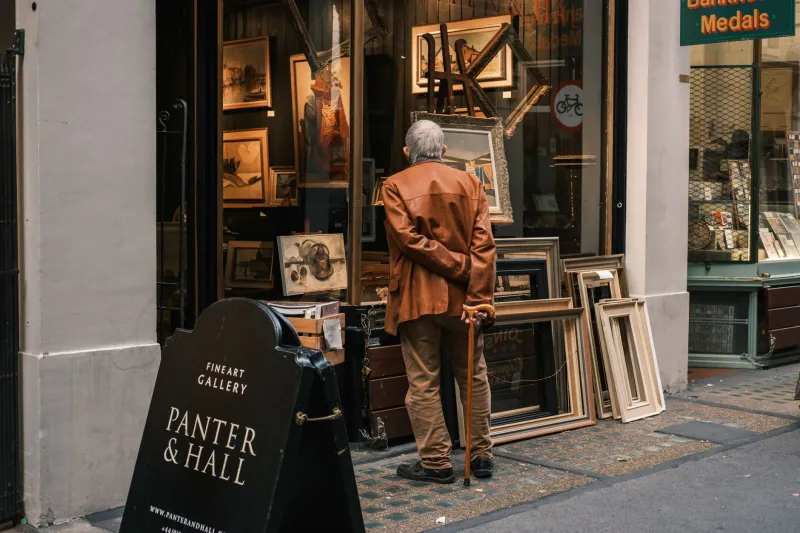
Photo by Photo by Klara Kulikova on Unsplash on Unsplash
Buying a painting before it has fully settled is one of the small thrills of the studio visit. You see it on the easel, still glossy, maybe a little tacky at the edge, and you know you got there first. But a wet painting is not quite the same object as a dry one. It needs a bit of thought on the way home and a bit of patience once it is there. None of this is a reason to walk away. It is just the practical side of collecting work straight from the easel.
First, ask what is actually wet
Oil paint can feel dry to the touch within days while still curing through for months. Thick passages of impasto can take far longer. Acrylic paint dries faster, but a freshly finished canvas can still be soft underneath and easy to mark. Alkyds sit somewhere in between. So when an artist says a piece is dry, it is worth asking a second question: dry to the touch, or ready to frame and travel? Those are different things, and the answer changes how you handle the first few weeks.
Getting it home without a mark
The biggest risk on the journey home is not rain. It is wrapping. Cling film, plastic bags and sealed bubble wrap can trap moisture against a fresh surface and leave marks or a bloom. Ask for glassine, acid-free tissue or a clean paper interleaving, then carry the painting flat and face up if you can. In a car, avoid the boot if there is any chance of heat, tools or a spare wheel sliding into it. On the train, a rigid portfolio or a stout piece of cardboard is your friend. If it is raining, cover the outside with a bin bag or a rain cover, but keep plastic away from the painted face.
Fumes, damp and the British home
Oil paintings can give off a solvent smell for a while, especially in a small room with the windows shut. That is normal, but it is a reason to let the room breathe. Avoid sealing a new oil painting into a tiny bedroom or a cupboard. In a British winter, the bigger enemy is often damp and cold: avoid hanging a new work on an external wall that runs wet, in a bathroom, or right above a radiator. Central heating dries the air and can be hard on fresh paint, so a steady room temperature is kinder than a blast of heat. Keep it out of direct sunlight too, not because the painting will melt, but because fresh colours do not need a tan.
Framing before it is ready
A wet painting and a tight frame are not natural allies. If the work needs framing straight away, ask for a spacer or a floater frame that keeps the rebate away from the painted surface. Never let glass sit directly against fresh paint. Some collectors ask for a frame before the painting has cured, which is fine if the framer understands the score. Others prefer to live with the canvas unframed for a few months and decide later. Both are reasonable. What is not reasonable is trapping a tacky surface behind glass and hoping for the best.
The varnish question
Varnish is not a compulsory final step. Plenty of contemporary painters never varnish at all, and many prefer the surface as it is. When varnish is used, it is there to protect, to unify the finish and to make cleaning easier. The catch is timing. Oil paintings are usually left for six to twelve months before varnishing, and some painters wait longer. Acrylics can often be varnished sooner, but check the manufacturer's advice and the artist's preference. Varnish applied too early can trap solvent, dull the surface or yellow over time. If in doubt, wait. A painting does not expire because it has not been varnished.
A sensible first six months
Treat the first six months as a settling-in period. Hang the work somewhere airy and out of direct heat, keep an eye on it, and resist the urge to polish or scrub it. Dust with a soft brush if you must, but leave the surface alone. Photograph it for your records and keep the receipt, the artist's care notes and any framing details together. If you are insuring the work, tell your insurer it is new and ask whether a recent valuation is needed. And if something looks wrong, a bloom, a crack, a patch that will not dry, go back to the artist sooner rather than later. Most problems are easier to solve in month one than month twelve.
Buying wet paint is not reckless. It is one of the most direct ways to support an artist and to own a piece of the studio moment. You just have to give the painting the same consideration the artist did.